
About Ewing Sarcoma
Ewing sarcoma survival rates have reached a plateau in recent decades – overall the five-year survival rate is just 60%. Survival rates for patients with metastatic disease or who relapse are much lower. This plateau suggests that conventional treatment regimens have reached the limit of their efficacy and underscores the need to develop new or improved therapies. Development of such therapies might also avoid or mitigate the adverse side effects of conventional chemotherapy.
The Nick Currey Fund is currently supporting a number of research projects aimed at improving outcomes for children diagnosed with Ewing sarcoma.
Current Funding
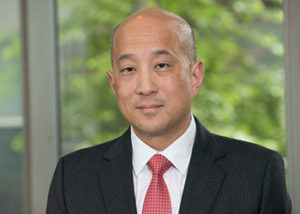 Andrew Kung, MD, PhD
Chair of the Department of Pediatrics
Memorial Sloan Kettering
The Nick Currey Fund supported a portion of the almost $1.3 million grant awarded as part of CureSearch's "Acceleration Initiative" to fund an innovative project led by Dr. Andrew Kung, Chair of the Department of Pediatrics at Memorial Sloane Kettering, in New York City. Dr. Kung's team developed a new method to assess the entire signaling network within cancer cells, and to identify the critical signaling nodes, or Master Regulators (MRs), that drive malignancy.
The team used a systems biology approach, where molecular profiling is paired with bioinformatics to identify the key MRs. They have successfully used this method to identify critical MRs in a number of adult cancers. Using this approach, they analyzed single patient samples from children with high-risk sarcomas and identified MRs and then identified drugs that target the activity of the MRs.
(Spring 2022 Update) Dr. Kung’s team has identified a pediatric Master Regulator (MR)-targeting therapy with significant efficacy in cell and animal models of Wilms tumor and rhabdoid tumor. There are new drugs that specifically impact the identified target Exportin 1, with the first-in-class drug, Selinexor, now FDA approved for use in multiple myeloma. Dr. Kung and his team will be enrolling patients in the next few months and are in the process of opening the trial at other national sites. Additionally, a manuscript describing these studies, along with a patient treated with Selinexor on a compassionate use basis, is currently under review.
Previous Funding
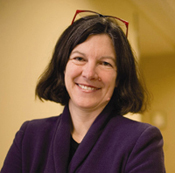
Mary Beckerle, PhD
Ralph E. and Willia T. Main Presidential Professor
CEO and Director, Huntsman Cancer Institute
The University of Utah
Ewing sarcoma occurs because of a chromosomal abnormality that causes an atypical protein, known as EWS/FLI, to be expressed. Dr.Beckerle and a collaborative team at the Huntsman Cancer Institute have demonstrated that the EWS/FLI mutation disrupts the internal cellular skeleton, which allows cells to move out of their normal environment. A cell that does not remain in its normal environment is more likely to travel to another area of the body, facilitating the spread of the tumor. Therefore, being able to stop EWS/FLI from changing a cell’s “stickiness” might help stop the spread of cancer. Dr. Beckerle’s team identified a novel targeted treatment for Ewing sarcoma that disrupts the effects of EWS/FLI and disrupts the spread of the cancer. Dr. Beckerle’s Acceleration Award contributed to the clinical studies required to move this novel therapy into clinical trials.
As of the conclusion of her CureSearch-funded project, Dr. Beckerle has supported the movement of a new therapeutic for Ewing sarcoma into the clinic:
- 1 Phase I clinical trial initiated for Ewing sarcoma based on data obtained during the award period
- 1 new metastatic Ewing sarcoma mouse model created
- 1 novel drug carried through preclinical testing and licensed to Salarius Pharmaceuticals
- 1 IND application filed for drug assessed during CureSearch funding
Additionally, the novel drug licensed to Salarius Pharmaceuticals will be used in a 2022-2025 CureSearch-funded project. Click here to learn more.
Stephen Lessnick, MD, PhD
Huntsman Cancer Institute at the University of Utah
Julia Bridge, MD
University of Nebraska Medical Center
Funded Research: Based on data suggesting that alterations in two specific genes, p53 and pl6, may help predict future outcomes for patients with Ewing sarcoma, Drs. Stephen Lessnick and Julia Bridge evaluated how often 2 specific genes are altered in a large cohort of tumor specimens, and whether these alterations predict patient outcomes. As part of the study, the investigators also "amplified" tumor DNA to allow them to study the genes and create an important resource for other investigators studying this disease.
2022 Update: Dr. Lessnick is the Director of the Center for Childhood Cancer and Blood Diseases at The Research Institute at Nationwide Children’s Hospital in Columbus, Ohio. He also serves as a member of the CureSearch Scientific Advisory Council (SAC), which includes best-in-class pediatric oncologists who set the academic priorities for CureSearch research initiatives and evaluate projects on scientific merit.
Dr. Bridge is the Director of Cytogenics and FISH at ProPath, a physician-owned, internationally-recognized practice of academic-quality expertise with private practice convenience and service.
 Elizabeth Lawlor, MD, PhD
University of Michigan
Funded Research: Dr. Lawlor and her colleagues had previously discovered that suppression of the potassium ion channel Kv1.5 is, at least in part, responsible for Ewing sarcoma cells’ ability to survive oxygen deprivation. Dr. Lawlor hypothesized that restoring expression of the Kv1.5 channel in Ewing sarcoma cells may inhibit their resistance to cell death and lead to better outcomes for patients.
2022 Update: Dr. Lawlor is a Professor of Pediatrics at the University of Washington, as well as the Associate Director for Cancer Biology at Ben Towne Center for Childhood Cancer Research at Seattle Children’s Research Institute in Seattle, Washington. She also serves as a member of the CureSearch Scientific Advisory Council (SAC), which includes best-in-class pediatric oncologists who set the academic priorities for CureSearch research initiatives and evaluate projects on scientific merit.
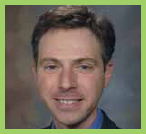 Joshua Schiffman, MD
University of Utah
Funded Research: Using microarray technology, Dr. Schiffman and his colleagues retrospectively examined archived tissue samples from patients who had both relapsed and metastatic disease. A gene called CEBPB was found to be amplified in many patients - instead of the normal two copies of the chromosome, there were as many as 11. Further research identified seven other chromosomal regions in Ewing sarcoma patients in which amplification or missing genes occurred. Those with changes in gene copy numbers are called Multifactor Copy Number (MCN)-positive and those without changes are called MCN-negative. In comparing the findings to the patients' clinical outcomes it was found that patients who were MCN-negative had a 100% survival rate over 12 years, compared to a 41% survival rate over 12 years for those patients who were MCN-positive.
2022 Update: Dr. Schiffman is currently a Professor of Pediatrics at the University of Utah, an Adjunct Professor in the Department of Oncological Sciences, and is in the Division of Hematology/Oncology at Primary Children’s Medical Center. He also serves as the Medical Director of the High Risk Pediatric Cancer Clinic at Huntsman Cancer Institute.
Dr. Schiffman’s work in the High Risk Pediatric Cancer Clinic contributed to a landmark study in the field of clinical cancer genetics demonstrating that early cancer surveillance in families with Li-Fraumeni Syndrome significantly improves overall survival. He continues to work with children and families at high risk for cancer development to discover genes that may be targeted for both prevention and treatment of childhood cancer.
healthcare.utah.edu
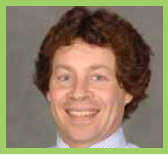 Jeffrey Toretsky, MD
Georgetown University
Funded Research: In a study conducted at Georgetown University's Lombardi Comprehensive Cancer Center, a small molecule drug specific to Ewing sarcoma was researched. The project looked at how combinations of a drug specific to Ewing sarcoma, YK-4-279, and current cancer therapies interact synergistically.
2022 Update: Dr. Toretsky serves as chief of MedStar Georgetown University Hospital’s Division of Pediatric, Adolescent, and Young Adult Hematology/Oncology. Dr. Toretsky is an internationally recognized expert in sarcomas in children, adolescents, and young adults. He is the principal investigator and director of the NIH-funded Molecular Oncology Program at MedStar Georgetown University Hospital’s Lombardi Comprehensive Cancer Center and co-leads a regional multidisciplinary sarcoma clinic.
Dr. Toretsky and a multidisciplinary team are engaged with all aspects of pediatric hematology/oncology from diagnosis through survivorship. His laboratory is pursuing new and targeted therapies for Ewing sarcoma, including a new medication for Ewing sarcoma currently in phase 1 clinical trials.
medstarhealth.org