We are proud to be a 2023 top-rated nonprofit. Learn More.
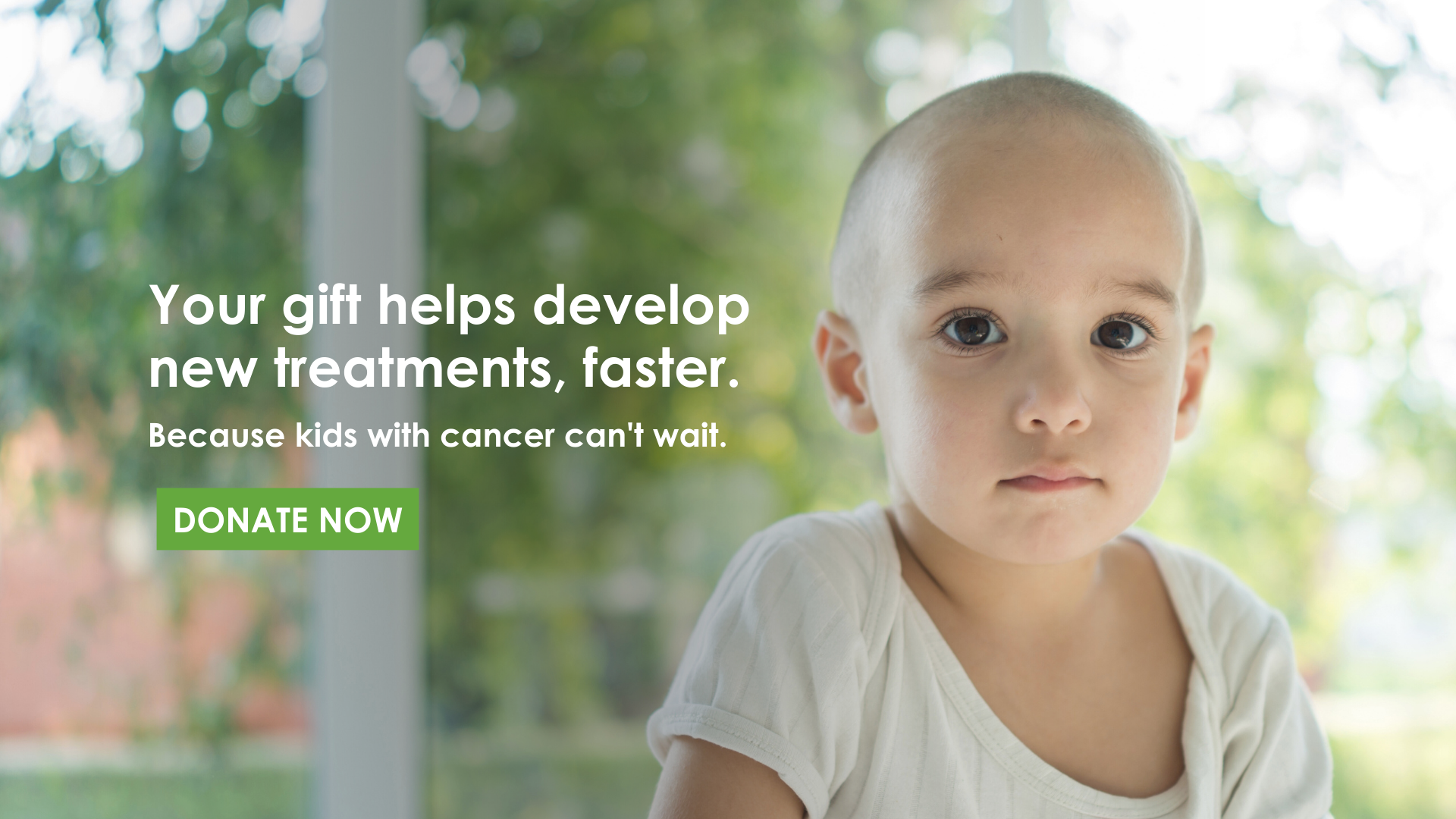




AN URGENT UNMET NEED: Cancer is the #1 Disease Killer in Children
Fact:
Fact:
Fact:
Latest news and stories

Together, we save kids faster!
We focus on areas of unmet need
Every child deserves safe treatment.
We are dedicated to ensuring that every child diagnosed with cancer has a safe and effective treatment option. Focusing on pediatric cancers with insufficient or ineffective treatment options is a priority of our research strategy. Our unique funding strategy focuses on addressing areas of unmet need, including:
• Cancers with the lowest survival rates
• Limited or most damaging treatment options
• Populations that are underserved, including adolescents and young adults
Our unique funding strategy is delivering results
Our research funds groundbreaking, lifesaving breakthroughs.
CureSearch is armed with the best-in-class advisory councils that ensure research is engineered to advance to the marketplace. This accelerated research is quickly leading to new advancements, including:
• A novel drug for Ewing sarcoma in pediatric clinical trials
• A clinical trial for high-grade glioma that is now enrolling patients
• A new treatment for recurrent, refractory medulloblastoma in pediatric clinical trials
Our projects are 7x more likely to advance
Speed is critical, because children with cancer can't wait.
60% of preclinical research projects funded through our Acceleration Initiative advance to clinical trials, compared to a less than 8% average rate of translation for drugs into clinical cancer trial. CureSearch-funded pre-clinical projects are 7x more likely to advance to clinical trials and get there 1.5x faster compared to the national average.
We ONLY fund translational research
A "bench to bedside" focus is critical.
There is a significant funding gap for translational, preclinical, and early-phase clinical trials. CureSearch only funds translational research projects with the strongest potential to become a new treatment and quickly reach patients. In the last 5 years, we’ve awarded more than $12 million in research grants for projects dedicated to developing new therapies for kids with cancer.
Simply put, if a project isn't on an accelerated path to new drug development, we don’t fund it.
Your support changes the odds!
Our mission is to end children's cancer by driving targeted and innovative research with measurable results in an accelerated time frame. The research we fund is delivering safer, more effective children's cancer treatments. Thank you for your support!
Get involved to end children's cancer

An unparalleled research strategy
Our Scientific and Industry Advisory Councils are comprised of experts at the top of their fields, and validation of a research project by our Scientific Review Committee speaks volumes in the global children's cancer arena.



Our Corporate Partners